

Psychological Sciences
Adult Learning Lab
Our lab investigates how cognitive processes affect functional performance in older adulthood, with two particular emphases: (1) language comprehension and attention allocation during reading, and (2) the benefits of physical activity and social engagement for cognitive health in later life. As such, we work in both basic science spaces (e.g., the mechanisms of cognitive aging & reading) as well as applied science spaces (e.g., community-based health interventions designed to support successful aging and quality of life.
Language Comprehension & Reading Processes in Older Adulthood
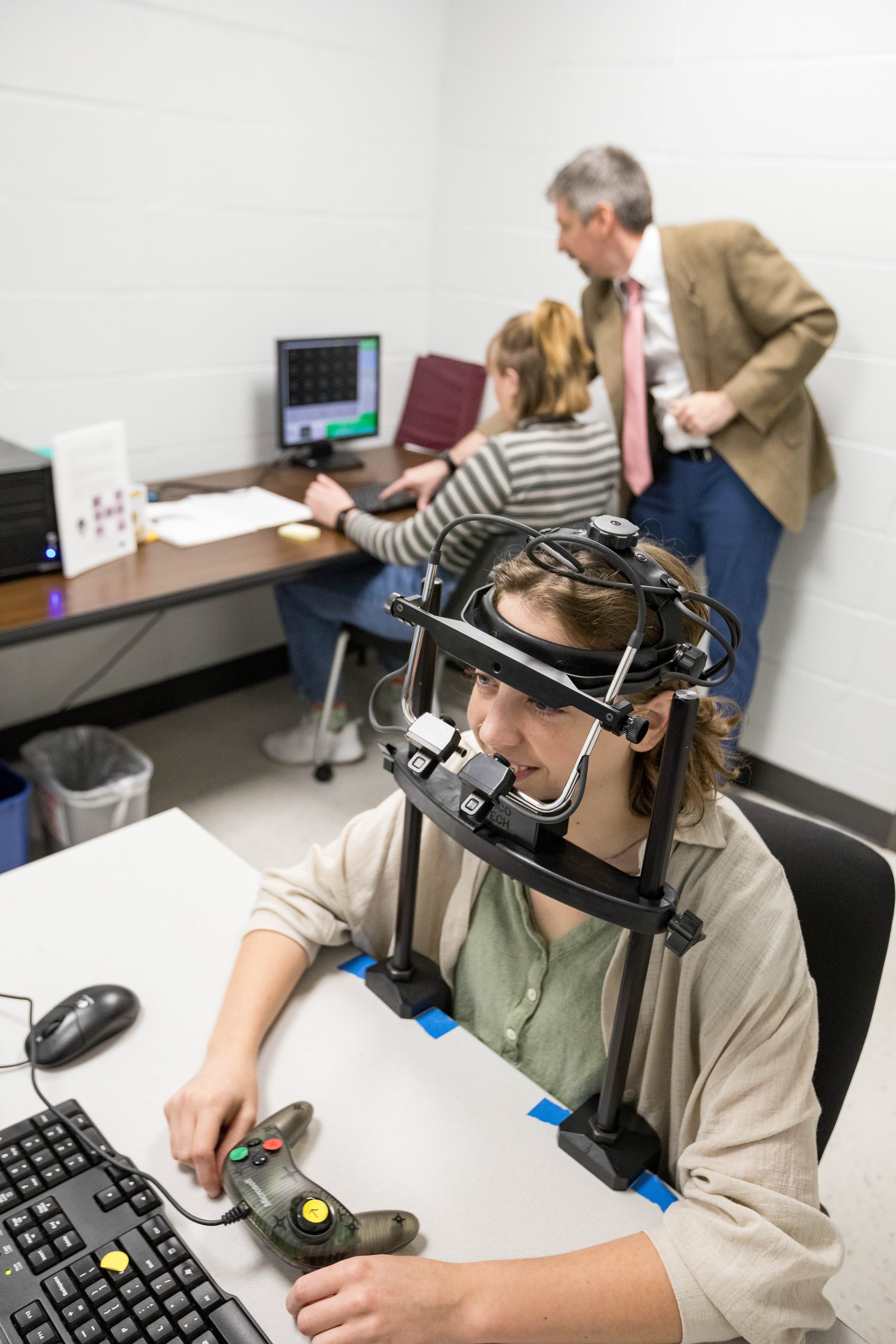
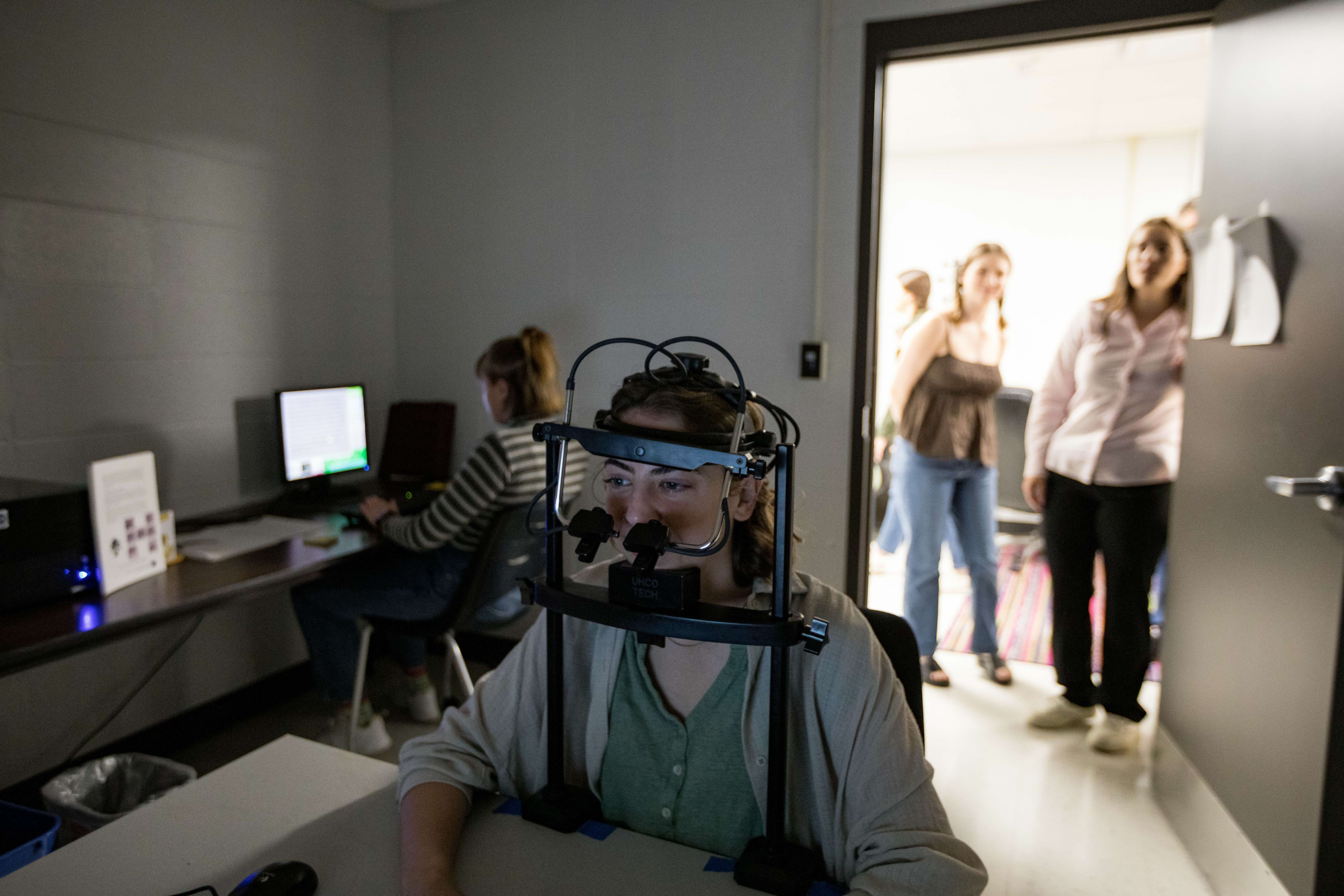
This line of research examines the effects of cognitive aging on language processing. We investigate the structure and function of developmental changes in the ability to attend to, comprehend, and remember text. As we grow older, we experience both gains in crystallized abilities (e.g., knowledge) and declines in fluid abilities (e.g., processing speed). Our laboratory investigates how these changes affect our cognitive and language abilities. This area of research is important because language ability remains a crucial skill throughout the entire lifespan, yet much remains to be discovered about aging and the influence of (a) external factors such as text structure, text difficulty, or reading environment, and (b) internal factors such as reader goals, reader knowledge, or reader beliefs. This is a large set of factors yielding many exciting avenues for discovery. Recently, we have also been investigating how mind-wandering changes in older adulthood.
Benefits of Physical Activity & Social Engagement for Cognitive Health in Older Adulthood
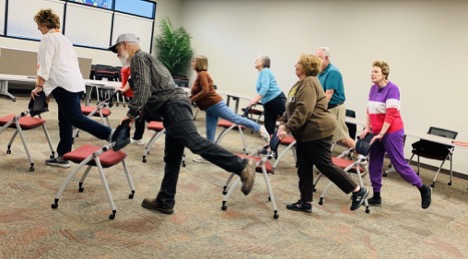
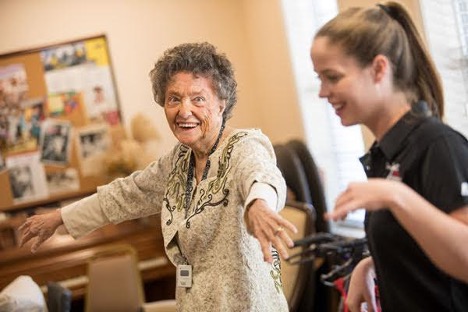
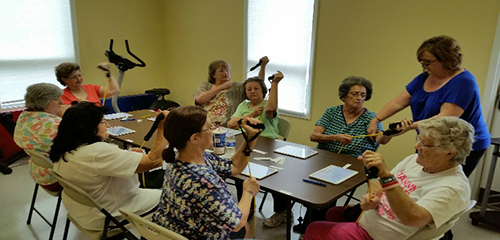
We recently concluded a NIH-funded clinical trial that investigated the benefits of exercise for older adult cognition, health, and well-being. This three-year grant was a collaboration with colleagues in Exercise Science and Computer Science, in which we gathered pre- and post-intervention data on multiple aspects of cognitive and physical health in older adults participating in a 12-week program of our in-house developed app called Bingocize®. The project targeted traditionally underserved older adult populations at independent living senior centers and communities throughout Kentucky and Tennessee. Although maintaining functional independence as long as possible is a primary goal of older adults, and they recognize that physical exercise is important for both cognitive and physical health, most older adults do not engage in sufficient exercise. The barriers to improving health are largely psychological (e.g., perceptions that it will be a solitary journey, unenjoyable, painful, boring, etc.). Our research takes a multidimensional, social, interdisciplinary approach to tackling these barriers.

What Do Students Do?
Students working in the lab work on all aspects of research. This may include hands-on experience with experimental design, data collection, and statistical analysis, as well as exposure to diverse research methods ranging from reaction-time tasks and eye-tracking, to intervention studies conducted in community settings. Research assistants may work directly with older adult participants, contribute to conference presentations and publications, and develop skills relevant to graduate study and careers in psychology, health sciences, and aging-related fields. We welcome motivated students who are curious about how the mind works across the lifespan and who are interested in research that bridges theory and real-world impact.
What Kind of Students Are You Looking For?
Having previous knowledge or experience isn't that important (though it helps). What is important and ideal: students who are hard working, reliable, curious, patient, able to work independently, and have strong determination to find answers to questions. Psychological science is a slow, methodical process. If you enjoy the journey and aren't as concerned about the destination or accolades, then you are a student who loves to learn. That matters most! It's also helpful if you're genuinely interested in the research, because that will make you intrinsically motivated. If that describes you, contact Dr. Matthew Shake to inquire about joining the lab.
Some of the links on this page may require additional software to view.